In Vedic astrology, the 7th house from the Lagna (Ascendant) is one of the key places we look at for marriage/partnership dynamics-how a person relates, commits, argues, reconciles, and seeks validation.
If you want to explore this with a relationship-focused astrologer (calmly, without fear), you can start here: Talk to relationship astrologers
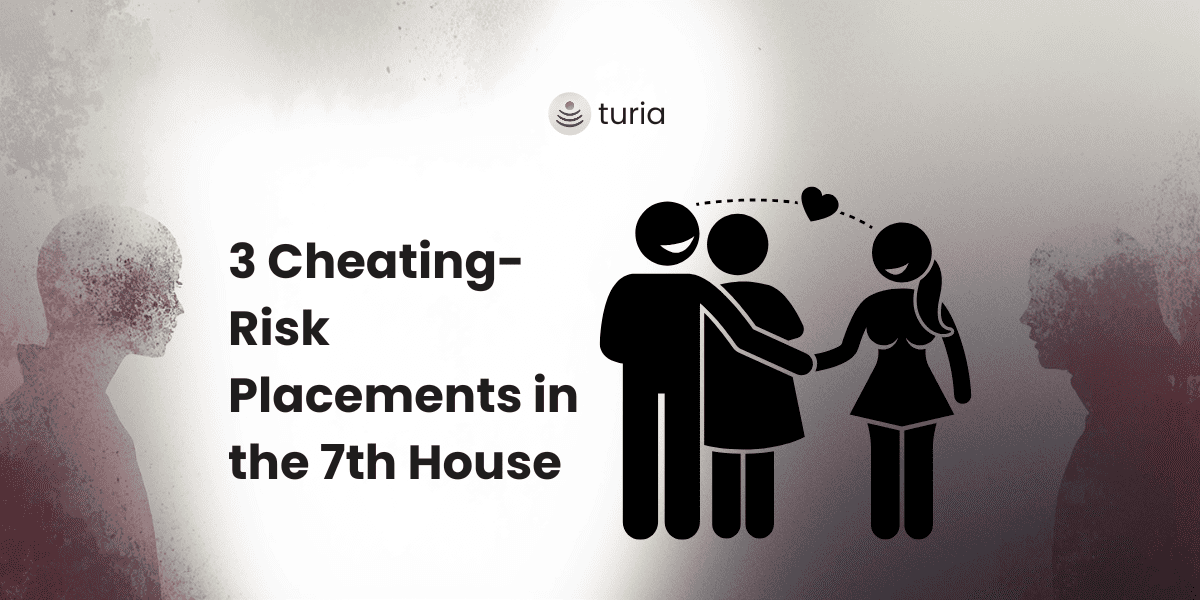
Below are three 7th‑house conjunction placements/combinations that can feel “high-voltage” in relationships-not because they guarantee cheating, but because they may amplify intensity, secrecy, impulsivity, or craving for novelty.
Astrology is not a tool for accusations. A chart cannot prove that someone will betray you or behave a certain way. This article is about tendencies and risk placements/combos-topics you can discuss early to build clarity, consent, and emotional safety. If you’re feeling anxious, do not “investigate” or police your partner. Use this as a conversation starter, not a conviction.
How to read this
- A placement is not a sentence. The same combination can show up in someone deeply loyal-just expressed through ambition, high passion, or non-traditional relationship needs.
- You’re not looking for perfection. You’re looking for alignment: honesty, self-awareness, shared values, and consistent behavior.
- You’re allowed to have boundaries. Even if someone is “nice,” you can still choose what feels safe for you.
If you’re prone to overthinking, this may also help as a grounding companion read: https://turia.app/article/overthinking-as-a-trait-through-the-lens-of-astrology/?utm_source=blog&utm_medium=cta&utm_campaign=march_2026
Placement 1: Mars + Rahu + Venus conjunction in the 7th house
What it can feel like
This is the “hot attraction + high stimulation” mix. Venus brings desire and charm, Mars brings speed and intensity, and Rahu amplifies cravings, experimentation, and “more.” In the 7th house, relationships can become a place where the person seeks thrill, validation, or immediate chemistry.
Common themes you may notice:
- Falling fast, bonding fast, escalating fast
- Strong desire for admiration (and being seen as desirable)
- Risk of impulsive choices when bored, stressed, or tempted
- Testing boundaries: “What can I get away with?” (sometimes unconsciously)
Important nuance: this can also indicate a person who is magnetic, romantic, and fiercely protective, who simply needs healthy channels for intensity.
Real-life examples
- The “work trip + nightlife” situation: They’re charming, social, and seem to collect attention easily-especially during office offsites in Goa/Bengaluru/Mumbai. They don’t necessarily do anything wrong, but they may enjoy the flirtation and dopamine.
- The “Instagram energy” relationship: They keep old flings in the DMs, follow lots of thirst-trap accounts, and call it “harmless.” You’re left wondering if you’re the partner or just one of many options.
- The “fight → makeup → repeat” cycle: Intense arguments followed by intense reconciliation. The relationship becomes a rollercoaster, and the drama itself starts feeling addictive.
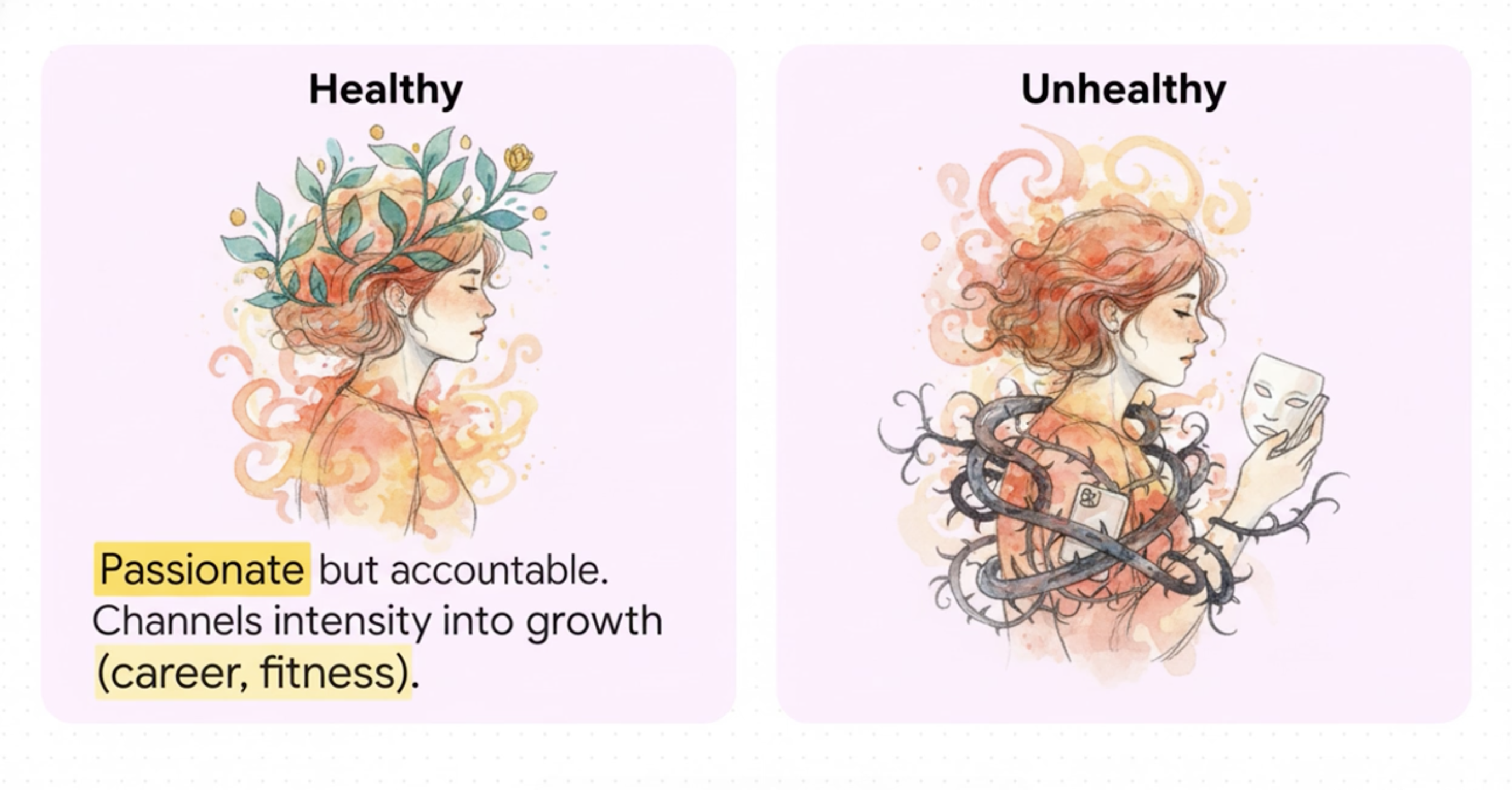
Healthy version (what it looks like)
- Passionate but accountable: they acknowledge temptation and manage it (boundaries, transparency, self-control)
- They channel intensity into growth: fitness, career goals, creative pursuits-not relationship chaos
- They speak clearly about exclusivity and what “respect” means in modern dating
Unhealthy version (what it looks like)
- Constant “newness chasing”: attention-seeking, flirting as a default
- Impulsivity: hiding chats, minimizing, “It didn’t mean anything”
- When confronted, they turn it into a joke or blame you for being “too sensitive”
What to discuss early
- “What counts as flirting for you?”
- “Do you believe in ‘micro-cheating’ (like secret DMs) or do you think it’s nonsense?”
- “When you feel bored in a relationship, what do you do?”
Placement 2: Venus + Mars + Ketu conjunction in the 7th house
What it can feel like (plain language)
This is “desire + detachment.” Venus and Mars bring chemistry and pursuit; Ketu adds a strange, quiet “I want it… but I don’t want to be owned” feeling. In the 7th house, the person may oscillate between intensity and withdrawal.
Common themes you may notice:
- Attraction that is strong but hard to stabilize
- A private inner world; discomfort with emotional dependency
- A tendency to disappear emotionally during conflict (stonewalling/avoidance)
- Non-traditional relationship preferences (space, unconventional timelines)
This is not automatically negative. Many people with strong Ketu themes become excellent partners when they learn: communication, consistency, and emotional presence.
Real-life examples (India-relevant)
- The “on Monday, off by Friday” vibe: They chase hard, then go cold. You’re left confused-especially when they return with romance again. It can feel like you’re dating two versions of the same person.
- The “secretive past” situation: You ask basic questions about previous relationships or breakup reasons. They respond with “It’s irrelevant” or “I don’t like labels,” even when you’re asking for safety and clarity.
- The “commitment avoidance in a serious setup”: Families are involved, marriage talks begin, and suddenly they become distant-more work, more solo time, less responsiveness. You’re doing the emotional labor alone.
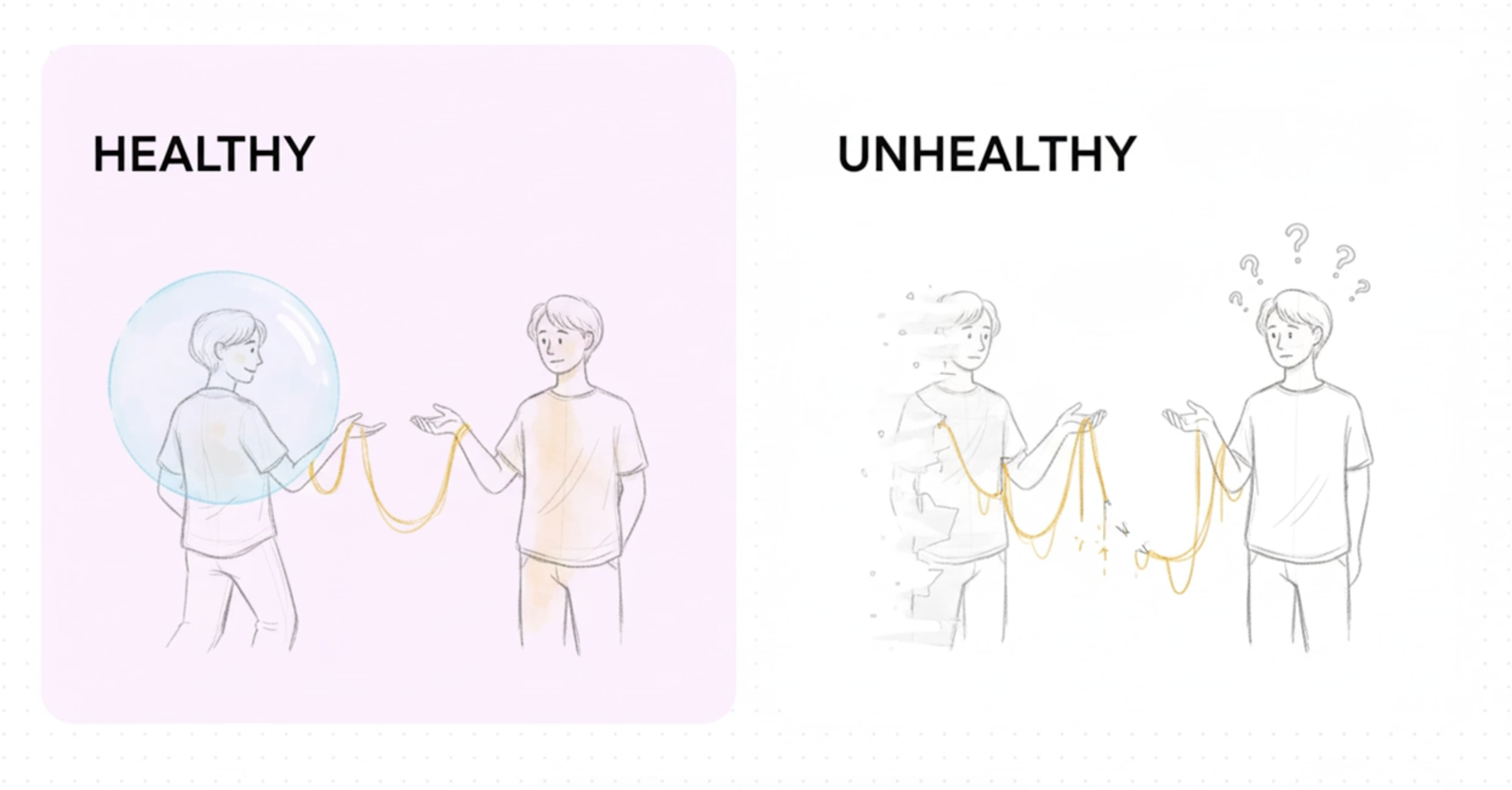
Healthy version (what it looks like)
- They’re honest about needing space-and they schedule connection too
- They don’t ghost; they communicate: “I’m overwhelmed; I need 24 hours; we’ll talk tomorrow evening”
- They have self-awareness about habits like avoidance or shutting down
Unhealthy version (what it looks like)
- Disappearing acts, mixed signals, intimacy without accountability
- “I’m not ready” forever-while still taking partner benefits (emotional support, physical intimacy, social status)
- You feel like you’re auditioning for commitment rather than building it together
What to discuss early
- “When you’re upset, do you prefer space or conversation? What helps you come back?”
- “How do you define commitment? What does exclusivity mean to you?”
- “Do you have a habit of ending relationships suddenly?”
Placement 3: Moon + Venus + Rahu conjunction in the 7th house
What it can feel like (plain language)
Moon + Venus is emotional sweetness, romance, and the need for affection. Add Rahu and you can get emotional craving + external validation. In the 7th house, relationships may become a mirror for self-worth: “If I’m loved and desired, I’m okay.”
Common themes you may notice:
- Mood-driven decisions in love
- High need for reassurance and attention
- Risk of emotional boundaries blurring: “I didn’t plan it, it just happened”
- Vulnerability to flattery (especially during low phases)
Again: not destiny. This can also show a partner who is deeply romantic, expressive, and caring, as long as they practice emotional regulation and loyalty as a value-not just a feeling.
Real-life examples
- The “constant reassurance” relationship: They want frequent check-ins, quick replies, and public signs of affection. If you’re busy (client calls, exams, family), they feel rejected and seek comfort elsewhere.
- The “attention economy” trap: They’re always online-stories, likes, DMs, “close friends” lists. They may build emotional intimacy with others without naming it. This is where the word cheating can get slippery: it’s often framed as “only talking,” but it can still damage trust.
- The “rescuer dynamic”: They attract admirers who say, “You deserve better,” especially during fights. Instead of repairing, they drift toward the person who makes them feel instantly soothed.
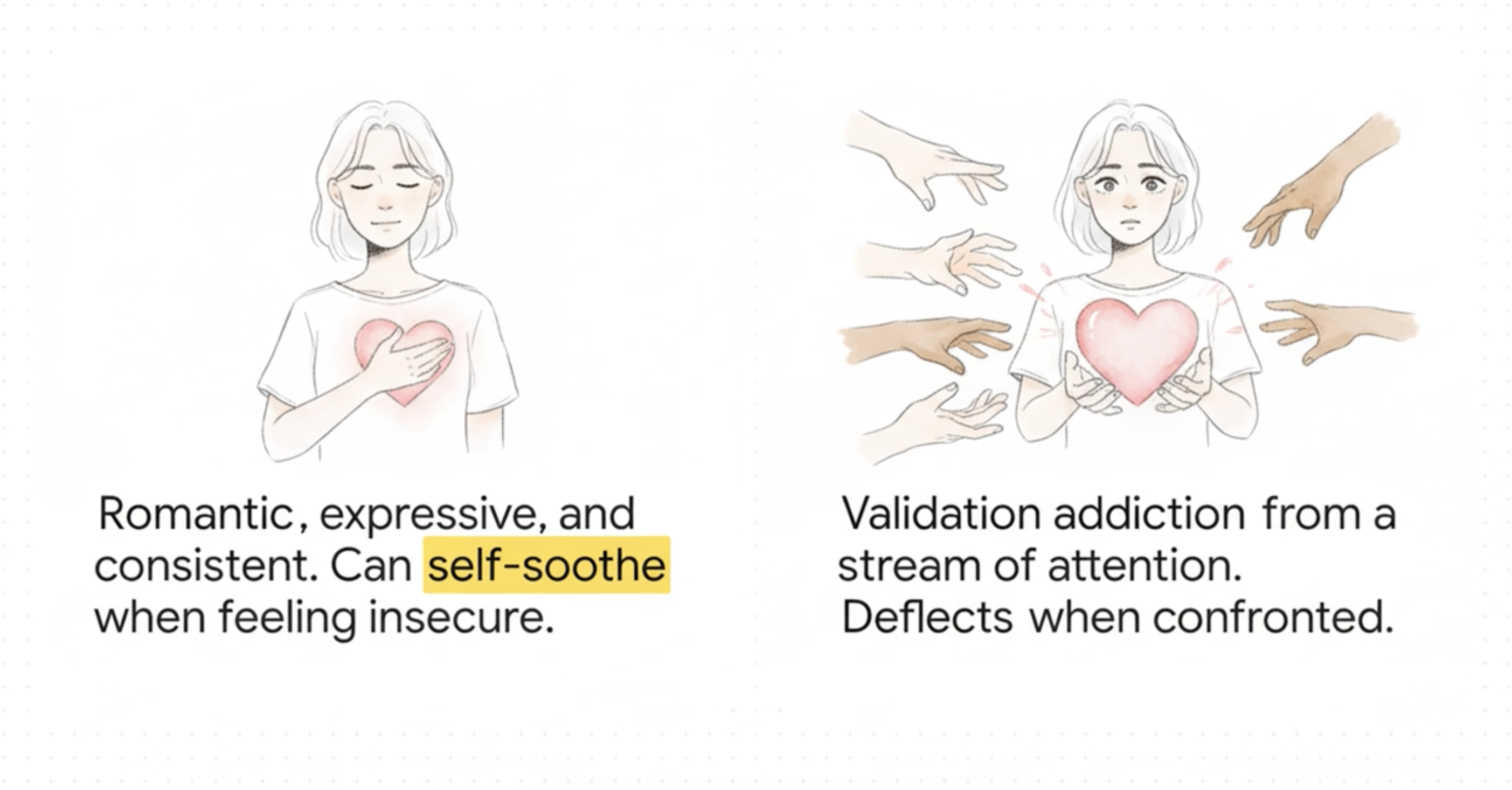
Healthy version (what it looks like)
- Romantic, expressive, and consistent
- They can self-soothe: they don’t outsource every bad mood to the relationship
- They’re transparent about social interactions and maintain respectful boundaries
Unhealthy version (what it looks like)
- Emotional dependency + secrecy
- Validation addiction: needing a steady stream of attention to feel secure
- When confronted, they cry, deflect, or make you feel guilty for asking for basic respect
What to discuss early
- “What does loyalty mean to you-behaviorally?”
- “Are you okay setting social media boundaries as a couple?”
- “When you feel insecure, what do you do?”
What to do
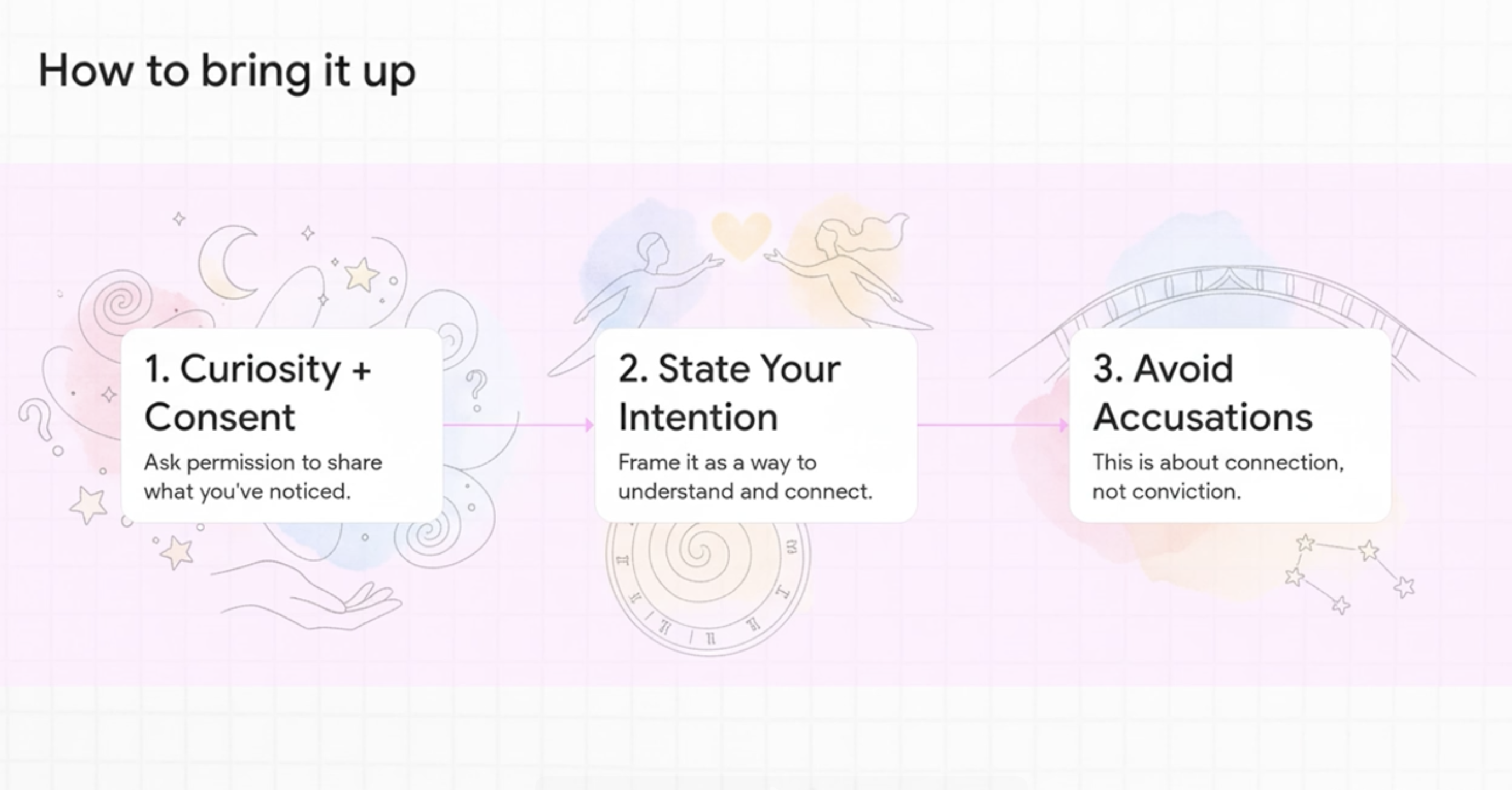
If you notice any of these 7th‑house conjunction placements in a partner’s D1 chart, your goal is not to label them. Your goal is to build a relationship container that protects both people.
1) How to bring it up safely
Use “curiosity + consent” language:
- “Can I share something I noticed in your chart? Not as a judgement-just as a topic to understand your relationship style.”
- “I’m not accusing you of anything. I’m trying to learn what helps you feel committed and secure.”
Avoid:
- “Your chart says you’ll betray me.”
- “Prove you’re loyal.”
2) Questions to ask early (before emotions get too deep)
Pick 4–6 and listen for clarity, not perfection:
- “How do you behave when you’re attracted to someone new while in a relationship?”
- “What do you consider crossing the line online-DMs, late-night calls, flirting, saving photos?”
- “What’s your conflict style-pursue, avoid, shutdown, explode?”
- “What does ‘privacy’ mean to you in a relationship, and where does secrecy start?”
- “Have you ever been unfaithful? What did you learn from it?” (You’re not hiring a saint; you’re gauging honesty.)
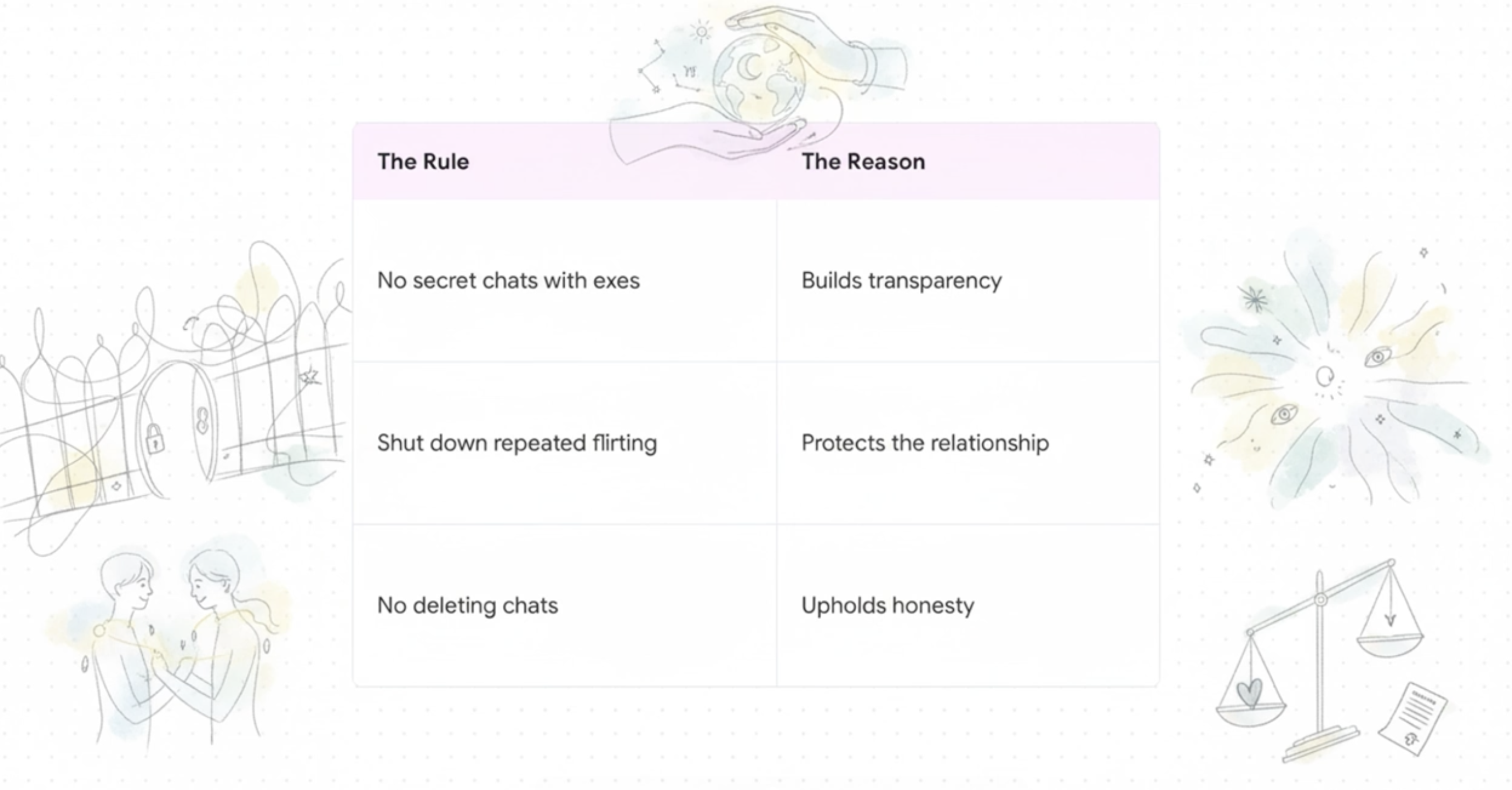
3) Social media boundaries (this is where modern trust breaks)
If social media is a recurring trigger, define rules together:
- No secret conversations with exes or people who are clearly interested
- If someone repeatedly flirts, you shut it down (not encourage it)
- Agree on what’s okay: likes, comments, memes, “close friends,” late-night chats
- Transparency standard: you don’t need passwords, but you also don’t maintain hidden worlds
A good boundary is measurable:
- “No deleting chats with someone you’re emotionally close to.”
- “If you’d hide it from me, don’t do it.”
4) Consistency checks (the calm way to verify integrity)
You don’t need surveillance. You need patterns over time:
- Do words match actions across stress, travel, and conflict?
- Do they take responsibility when you’re hurt, or do they attack your reaction?
- Do they repair after fights-or repeat the cycle?
(If you tend to people-please and then ignore your own signals, this related read can help you hold your line: https://turia.app/article/the-astrology-of-people-pleasing-when-kindness-turns-into-fear/)
5) Boundaries that protect you (especially if you’ve been hurt before)
- Don’t rush exclusivity because the chemistry is loud
- Keep your support system active: friends, routines, work
- Watch for manipulation: love-bombing, guilt-tripping, silent treatment
- Decide your non-negotiables early (e.g., no hidden DMs, no lying, no “breaks” used to explore options)
6) When to walk away
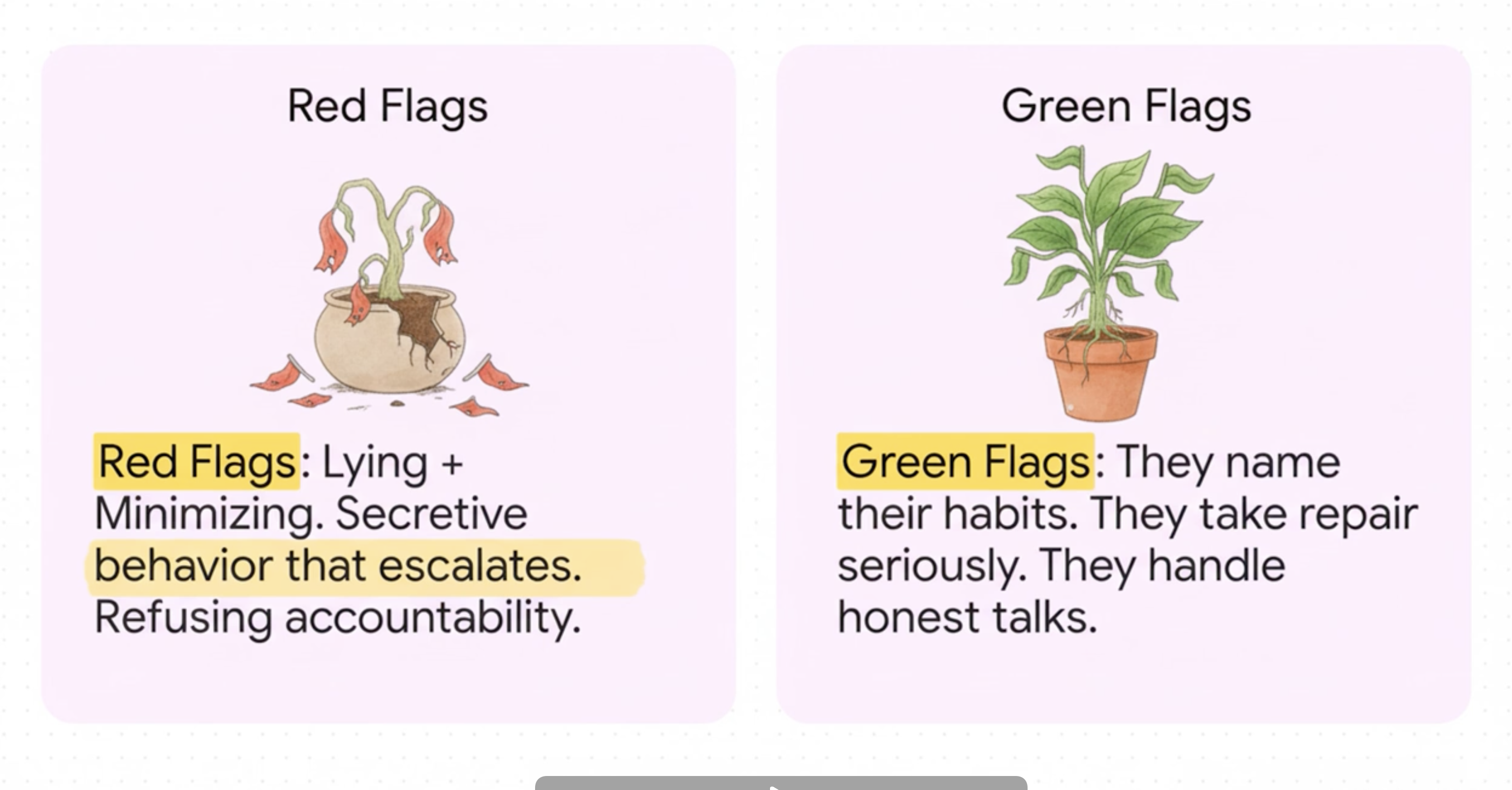
Walk away when you see repeat behavioural patterns like:
- Lying + minimizing + blame-shifting (especially repeatedly)
- Secretive behavior that escalates after being discussed
- “I’m like this only because you…” (refusing accountability)
- You feel chronically anxious, smaller, or confused
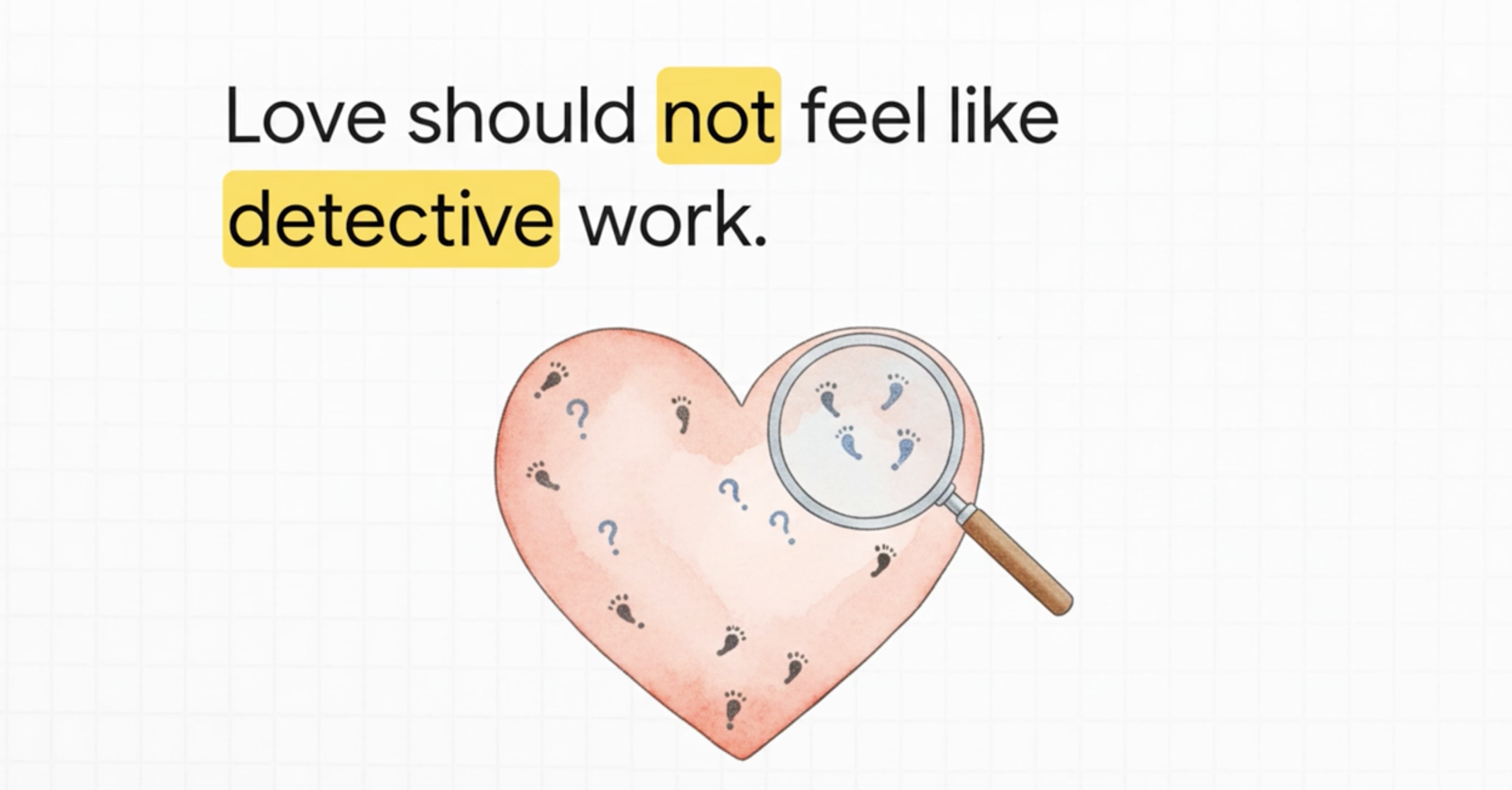
Love should not feel like detective work.
Green flags (so you don’t become fearful)
Even with “high-voltage” 7th‑house conjunction placements, these green flags matter more than the combination:
- They name their habits (“I withdraw when I’m overwhelmed”) and work on them
- They have consistent boundaries with others (including online)
- They take repair seriously: apologies + changed behavior
- They can handle honest conversations without rage, mockery, or shutdown
- Their life shows stability: friendships, responsibilities, follow-through
If the person is emotionally mature, astrology becomes a tool for empathy-not suspicion.
A grounded way to use this article
If you want, use this as a three-step approach:
- Notice the placement (in the D1 chart’s 7th house, conjunction only)
- Ask the right questions (values + boundaries + conflict style)
- Observe consistency (weeks and months, not one intense weekend)
That’s it. Not surveillance. Not accusations. Just adult clarity.
Want a second opinion on a partner’s chart?
Talk to a relationship-focused Vedic astrologer who will focus on communication, compatibility, and practical boundaries (not fear).
Book here: https://turia.app/astrologers?utm_source=blog&utm_medium=cta&utm_campaign=march_2026